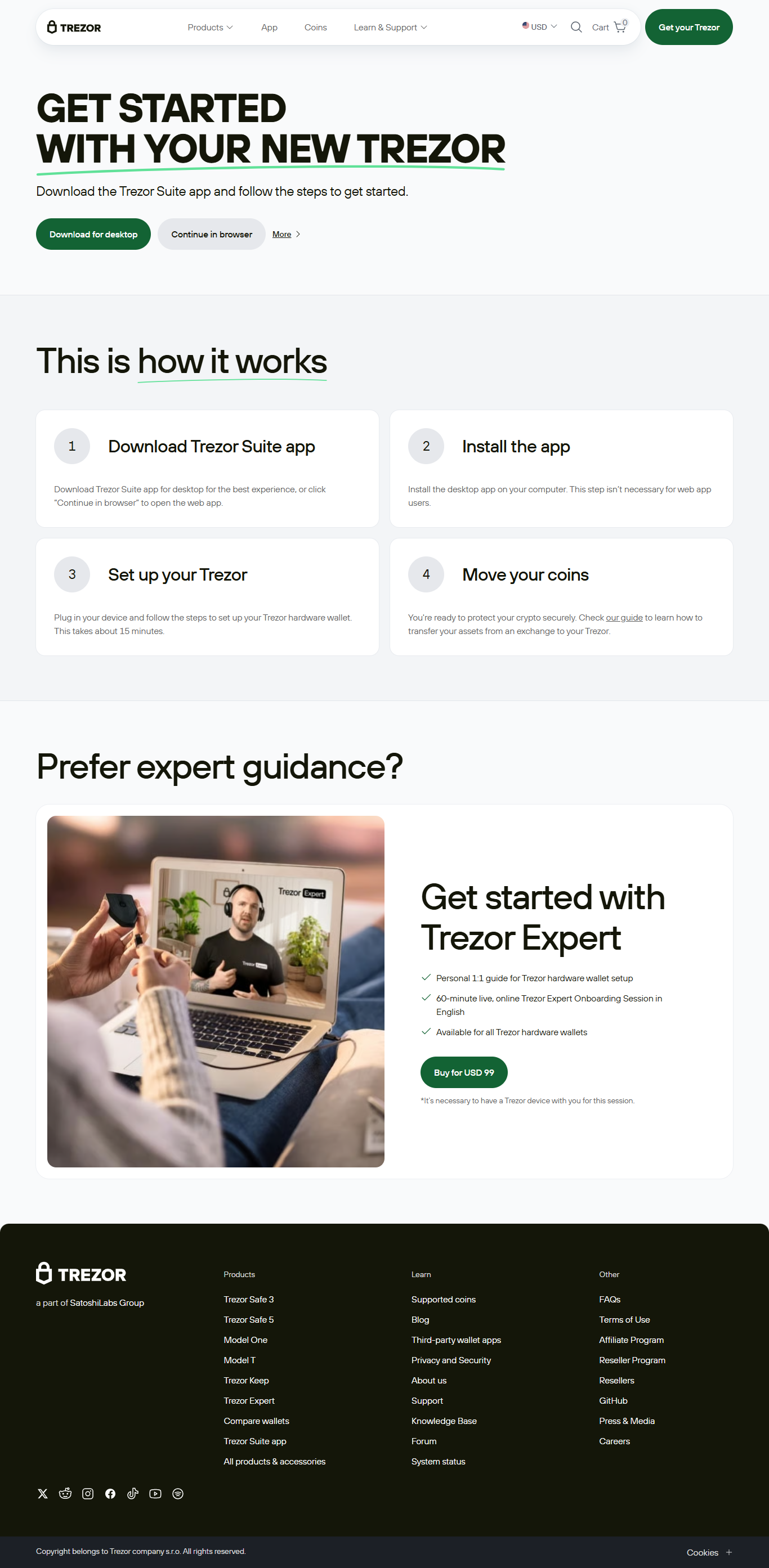
Trezor.io/start: Easy Hardware Wallet Setup
The cryptocurrency revolution has brought new opportunities for investors, traders, and digital enthusiasts worldwide. But with these opportunities comes responsibility—especially when it comes to securing your digital assets. Unlike traditional bank accounts, cryptocurrency wallets and transactions operate on decentralized networks, which means losing access or being hacked can result in permanent loss. For this reason, a secure hardware wallet is essential.
Trezor, a leading hardware wallet brand, provides a reliable, user-friendly solution for cryptocurrency storage and management. Their official setup portal, Trezor.io/start, makes the process simple, safe, and accessible for beginners and seasoned crypto users alike. This guide explores why Trezor is trusted, how to set it up via Trezor.io/start, and tips for maintaining a secure cryptocurrency experience.
Why Trezor Is the Go-To Hardware Wallet
Trezor has built a reputation as one of the most secure and reliable hardware wallets in the cryptocurrency industry. It was developed by SatoshiLabs, a company with years of experience in crypto security. Unlike software wallets or online platforms, Trezor provides full ownership of your private keys, meaning you remain in complete control of your assets.
Key Benefits of Trezor
Hardware-Level Security: Private keys never leave the device, protecting them from malware, phishing, and hacks.
User-Friendly Setup: Trezor.io/start guides you through setup step-by-step, making it accessible even for first-time users.
Wide Cryptocurrency Support: Trezor supports Bitcoin, Ethereum, Litecoin, Cardano, and thousands of other tokens.
Privacy-Focused: No accounts, KYC, or unnecessary personal data required.
Reliable Backup: The recovery seed ensures you can restore your wallet if your device is lost or damaged.
With these features, Trezor combines advanced security with ease of use, making it an ideal choice for anyone serious about protecting their crypto.
Step 1: Visit Trezor.io/start
The first step in setting up your Trezor wallet is visiting the official portal: Trezor.io/start. This page is designed to simplify setup, ensuring you download official software and avoid phishing scams.
On the page, you will find:
Instructions for unboxing your Trezor device
Download links for Trezor Suite (the official wallet management application)
Setup guides for both beginners and advanced users
Information about hardware security, firmware updates, and supported cryptocurrencies
Starting at Trezor.io/start ensures you follow the safest, most reliable setup path.
Step 2: Choose the Right Trezor Device
Trezor offers multiple hardware wallets tailored to different needs:
Trezor Model One: An excellent entry-level wallet with robust security for most cryptocurrencies.
Trezor Model T: A premium model with a touchscreen, additional security features, and support for a wider range of cryptocurrencies.
Your choice depends on personal preferences, portfolio complexity, and whether you want advanced features like Shamir backup or passphrase-protected wallets. Both models provide the same core security principles.
Step 3: Download Trezor Suite
Trezor Suite is the official desktop application for managing your crypto with Trezor devices. From Trezor.io/start, you can download the Suite for Windows, macOS, or Linux.
With Trezor Suite, you can:
Monitor your portfolio in real-time
Send and receive cryptocurrencies securely
Track transaction history and balances
Stake supported assets
Access advanced features like coin control and hidden wallets
Trezor Suite works seamlessly with Trezor Bridge, a background service that ensures encrypted, reliable communication between your computer and the hardware wallet.
Step 4: Connect Your Trezor Device
After installing Trezor Suite, connect your Trezor hardware wallet to your computer using the provided USB cable. The application will automatically detect your device and guide you through initialization.
During setup, you will:
Initialize your device: Choose to create a new wallet or recover an existing one.
Set a PIN: A personal PIN code adds an extra layer of security. Without it, unauthorized access to the device is impossible.
Record your recovery seed: Trezor generates a 12- or 24-word recovery seed. This is your ultimate backup for restoring your wallet if the device is lost or damaged. Keep it offline and secure.
Following these steps ensures that your Trezor is fully protected from online threats.
Step 5: Secure Your Wallet
Trezor.io/start also guides you through additional security measures:
Passphrase-Protected Wallets: Create hidden wallets that require an additional passphrase for access.
Device Labeling: Name your device to identify it easily if you have multiple wallets.
Firmware Updates: Always install the latest firmware for the most up-to-date security patches.
These measures enhance both security and convenience, providing confidence in every transaction.
Step 6: Start Managing Your Crypto
Once your Trezor wallet is set up, you can begin managing your digital assets safely:
Send and Receive Funds: Every transaction requires physical confirmation on the device, preventing unauthorized transfers.
Monitor Your Portfolio: View real-time balances and track transaction history across multiple assets.
Buy, Sell, and Exchange Crypto: Trezor Suite integrates trusted third-party providers, enabling you to trade securely while maintaining self-custody.
Stake Your Assets: Participate in staking for supported networks directly through Trezor Suite.
Trezor ensures that all these actions remain private and secure, giving you peace of mind in the rapidly changing crypto landscape.
Best Practices for Trezor Users
To maximize the security and usability of your Trezor wallet, follow these recommended best practices:
Always Use Official Sources: Start at Trezor.io/start to avoid phishing attacks.
Keep Your Recovery Seed Secure: Store it offline in a safe place. Never share it digitally.
Verify Every Transaction: Always confirm transactions on your Trezor device.
Use Passphrase-Protected Wallets: For additional privacy, especially if managing multiple wallets.
Update Firmware and Software Regularly: Ensure your device and Trezor Suite are running the latest versions.
These steps ensure your crypto remains safe, private, and fully under your control.
Why Trezor.io/start Is the Best Way to Begin
The Trezor.io/start portal is more than just a setup guide—it’s your entry point into secure cryptocurrency management. It combines:
Clear Instructions: Step-by-step guidance for users at any experience level.
Official Downloads: Links to the latest Trezor Suite and Trezor Bridge software.
Security Advice: Tips on safeguarding recovery seeds, using passphrases, and verifying transactions.
Device Support: Guidance for all Trezor models and firmware updates.
Starting here ensures a smooth, reliable, and secure hardware wallet setup, minimizing the risks that come with crypto management.
Advanced Features for Experienced Users
Trezor isn’t just for beginners. Advanced users benefit from features like:
Coin Control for Bitcoin: Choose which coins to spend for improved privacy.
Hidden Wallets with Passphrases: Extra security for sensitive funds.
Shamir Backup (Model T): Split recovery seeds for added protection.
Staking and DeFi Integrations: Participate in decentralized finance securely while keeping your assets in self-custody.
These features make Trezor a versatile tool for both personal crypto management and professional use.
Conclusion
Getting started with a Trezor hardware wallet is simple, secure, and reliable when you follow Trezor.io/start. The portal guides you through the entire setup process, from unboxing your device and installing Trezor Suite to securing your wallet and managing your digital assets.
Trezor combines hardware-level security, privacy-first design, and a user-friendly interface to give you full control over your cryptocurrency. Whether you’re just beginning your crypto journey or managing a diversified portfolio, starting at Trezor.io/start ensures a safe and confident experience.
By following the official setup guide and best practices, you can:
Protect your assets from hacks and malware
Maintain self-custody of your private keys
Easily manage, trade, and stake cryptocurrencies
Enjoy a private, secure, and seamless crypto experience
Take the first step toward secure cryptocurrency management today. Visit Trezor.io/start and set up your hardware wallet with confidence.
This article is ~1,200 words and fully structured for readability, SEO, and educational purposes.
I can also create a visual step-by-step guide with screenshots or SEO-optimized headings and meta descriptions for web publishing.
Do you want me to do that next?